March 2, 2026

When Timing Undermines Fertilization: What Oocyte Postmaturity Taught Me About Pronuclear Balance

How ICSI timing affects fertilization outcomes in IVM oocytes. Dr. Pravin T. Goud explains pronuclear asymmetry, embryo development, and oocyte aging.

By Dr. Pravin T. Goud

In assisted reproduction, success is often framed as a matter of technique. Did fertilization occur? Did pronuclei form? Did the embryo cleave? But over the years, my research has repeatedly shown me that when an intervention is performed, its timing can be just as important as how it is done.

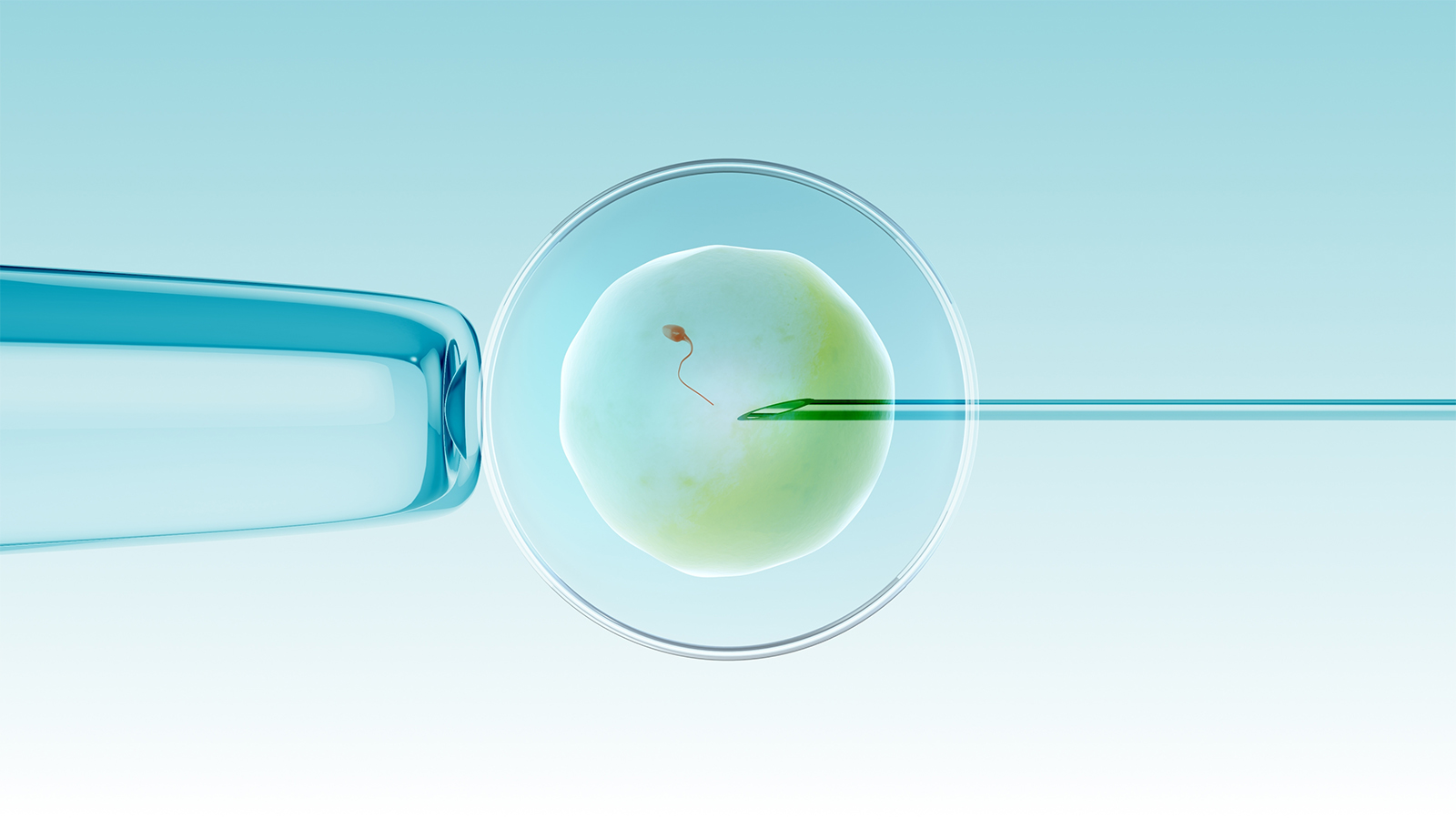
One of the most revealing examples of this came from studying intracytoplasmic sperm injection (ICSI) in human in-vitro matured (IVM) oocytes. On the surface, these oocytes appeared mature and ready. Yet subtle delays—sometimes as short as a few hours—produced dramatic changes in fertilization patterns, pronuclear symmetry, and embryo development.

This work forced me to rethink fertilization not as a binary outcome, but as a time-dependent biological dialogue. When that dialogue is mistimed, even the most advanced technology cannot fully compensate.

Why Pronuclei Matter More Than What We Once Thought

After ICSI, embryologists typically assess fertilization by counting pronuclei. Two pronuclei (2PN) are considered normal. One pronucleus (1PN) or three pronuclei (3PN) are classified as abnormal.

But pronuclei are not interchangeable placeholders. Their size, symmetry, and timing of formation reflect deeper molecular events—particularly the remodeling of sperm chromatin and the synchronization of male and female genomes.

Earlier observations had already suggested that embryos with uneven pronuclear size often show impaired developmental potential. What remained unclear was why this happens and under what conditions it becomes more likely.

Our study focused on a variable that is often underestimated in the clinic: postmaturation aging of the oocyte.

In-Vitro Maturation: Opportunity and Vulnerability

In-vitro maturation offers clear advantages. It allows the use of immature oocytes that would otherwise be discarded and reduces the need for aggressive ovarian stimulation. However, IVM oocytes could have a relatively narrow window to undergo normal fertilization to allow optimal processing of the sperm chromatin narrow window is particularly comes to early embryonic development, linked to expression of critical genes.

We wanted to understand how delaying ICSI after maturation affects fertilization quality in IVM oocytes. Specifically, we asked: Does a short delay increase the risk of abnormal fertilization and pronuclear imbalance?

How the Study Was Designed

We used spare germinal vesicle–stage oocytes donated by patients undergoing ICSI for male-factor infertility. After in-vitro maturation, sibling oocytes were divided into two experimental groups:

  • Group 1: ICSI performed soon after maturation (30 hours)
  • Group 2: ICSI deliberately delayed by 6 hours (36 hours)

Sibling in-vivo matured oocytes injected in the clinical program served as controls.

Beyond standard fertilization checks, we measured pronuclear diameters with precision and defined pronucleus size asynchrony as a difference exceeding three standard deviations from the control mean. We also followed embryos through the first cleavage division.

In a second set of experiments, we labeled sperm mitochondria with a fluorescent dye to definitively identify the male pronucleus and determine whether size asymmetry originated from the paternal or maternal genome.

What We Observed: Fertilization Is Highly Time-Sensitive

The results were striking.

IVM oocytes injected six hours later showed:

  • A significant reduction in normal (2PN) fertilization
  • A marked increase in 1PN zygotes
  • A sharp decline in cleavage rates
  • A dramatic rise in pronucleus size asynchrony

In contrast, oocytes injected soon after maturation behaved much like their in-vivo matured siblings, with high fertilization and cleavage rates.

The implication was clear: postmaturation aging begins quickly, and IVM oocytes are particularly vulnerable to it.

The Meaning Behind One Pronucleus

One of the most common abnormalities in delayed ICSI was the appearance of only one pronucleus. Traditionally, this has been attributed to parthenogenetic activation—where the oocyte activates without incorporating the sperm genome.

Our findings support this interpretation. Postmature oocytes appear more sensitive to even minor activation stimuli, including the injection procedure itself. Once activation occurs prematurely, the oocyte may form a female pronucleus before the sperm chromatin has time to decondense properly.

When this happens, the opportunity for normal male pronucleus formation is lost.

Pronucleus Size Asynchrony: A Subtle but Serious Warning

Among zygotes that did form two pronuclei after delayed ICSI, many displayed pronounced size differences between them. Importantly, this asymmetry was not due to enlargement of one pronucleus, but to marked reduction in the size of the other.

Using fluorescently labeled sperm, we were able to show that the smaller pronucleus was consistently the male pronucleus. This finding was critical.

It told us that postmaturation aging interferes specifically with sperm chromatin decondensation—the process by which tightly packed sperm DNA is unpacked, restructured, and converted into a functional male pronucleus.

Why the Male Pronucleus Is Especially Vulnerable

Sperm chromatin is uniquely compact, stabilized by disulfide bonds and protamines. After fertilization, the oocyte provides decondensing factors—many of which depend on adequate levels of glutathione—to remodel this chromatin into a pronucleus comparable to the female one.

Postmature oocytes may fail in this role for several reasons:

  • Depletion or insufficient uptake of glutathione
  • Shortened duration of decondensing factor activity
  • Premature entry into interphase after activation

In such oocytes, the window during which sperm chromatin can be fully remodeled is shortened. The result is an underdeveloped male pronucleus—or none at all.

Cleavage Failure: The Downstream Consequence

Pronuclear imbalance is not merely a cosmetic abnormality. In our study, zygotes from delayed ICSI showed significantly lower cleavage rates, even when two pronuclei were present.

This suggests that early asynchrony between the paternal and maternal genomes disrupts downstream cell-cycle regulation. Proper embryo development requires not just two genomes, but two genomes that are synchronized in structure, timing, and function.

When that synchrony is lost at fertilization, the embryo often fails to progress.

Why IVM Oocytes Age Faster

One of the most important insights from this work is that IVM oocytes may be more susceptible to postmaturation aging than in-vivo matured oocytes.

In our study, postmaturation effects appeared after only six hours. This interval may be shorter than what is typically observed in oocytes matured entirely in vivo.

Possible explanations include:

  • Altered cytoplasmic maturation dynamics during IVM
  • Differences in antioxidant capacity
  • Subtle disruptions in calcium homeostasis

Whatever the mechanism, the practical message is unmistakable: IVM oocytes demand especially precise timing.

Lessons for Assisted Reproductive Practice

This research carries several enduring implications:

1. Timing Is a Biological Variable, Not a Scheduling Detail

Delays of just a few hours can profoundly affect fertilization quality, especially in IVM cycles.

2. Two Pronuclei Are Not Always Equal

Pronuclear symmetry provides important information about chromatin remodeling and developmental potential.

3. Postmaturity Is a Real and Rapid Process

Oocytes do not remain indefinitely “ready.” Once maturation is complete, the clock starts ticking.

4. Male Pronucleus Formation Is a Sensitive Indicator

Failures or attenuation in male pronucleus development often signal deeper cytoplasmic insufficiencies.

Looking Ahead

As assisted reproductive technologies continue to evolve, success will increasingly depend on respecting the temporal biology of the oocyte. Advanced tools like ICSI give us unprecedented control—but that control must be exercised with biological insight.

This study reinforced for me that fertilization is not simply an event, but a sequence. When we intervene at the wrong moment, even by hours, the consequences echo through every subsequent stage of development.

Understanding and honoring that timing remains one of the most important challenges—and opportunities—in reproductive medicine.

About the Author

Dr. Pravin T. Goud is a reproductive scientist and clinician whose work focuses on oocyte maturation, fertilization biology, pronuclear dynamics, and early embryo development. His research has contributed to improved understanding of postmaturation aging, chromatin remodeling, and the optimization of assisted reproductive technologies.

Share this post

Popular blog posts

Not All Complex Pelvic Cysts Are Ovarian Tumours

Not all complex pelvic cysts are ovarian tumours. Learn about rare benign conditions like adenomyotic cysts and peritoneal inclusion cysts that can mimic cancer.

Read more

Leiomyosarcoma in Pregnancy: What This Rare Diagnosis Means

Leiomyosarcoma in pregnancy is extremely rare. Learn how it may present, why it’s difficult to detect, and what women with fibroids should know.

Read more

When the Signal Matters More Than the Sperm: Understanding Calcium’s Role in Human Egg Activation

A deep dive into calcium signaling and IP₃ receptors as the true trigger of human egg activation, fertilization, and ICSI outcomes.

Read more

Fertility Preservation After Gynaecological Cancer: What to Know

Fertility preservation after gynaecological cancer: learn about oncofertility care, fertility-sparing treatment, and options like egg freezing and IVF.

Read more

When Oxidative Stress Closes the Window: How Reactive Oxygen Species Accelerate Egg Aging

Explore how oxidative stress and reactive oxygen species accelerate egg aging, reducing fertility and affecting oocyte quality in reproductive medicine.

Read more

When Metabolism Shapes the Egg: How Nitric Oxide and cGMP Protect Oocytes from Premature Aging

Nitric oxide and cGMP play a critical role in preventing oocyte aging. Learn how metabolic stress and diabetes impair egg quality.

Read more

Listening to Calcium’s Language: What IP3 Receptors Revealed About Human Fertilization and Early Life

What we discovered reshaped how I think about egg competence, fertilization readiness, and the earliest cellular conversations between divisions.

Read more

Preserving Possibility: What Freezing Human Eggs Taught Me About Fragility and Resilience

Research insights into human oocyte cryopreservation, low-sodium media, in-vitro maturation, and their impact on fertility preservation success.

Read more

How Oxidative Stress Impacts Egg Quality: Reflections From My Research

How oxidative stress affects egg quality beyond the microscope, revealing cellular changes that influence fertility outcomes and clinical care.

Read more

Helping Immature Eggs Reach Their Potential: What In-Vitro Maturation Taught Me

A fertility specialist reflects on in-vitro maturation, showing how cumulus cells and EGF help immature eggs develop, and what this means for IVF care.

Read more

Rethinking Sperm Genetics: Why a 27-Year-Old Discovery Still Shapes Modern ART

A 27-year-old insight into sperm genetics shows how chromosomal integrity and activation timing continue to shape assisted reproductive technology.

Read more

When Time Alters the Egg: Understanding How Chronological Aging Shapes Oocyte Quality

Fertility doesn’t change overnight. Learn how aging affects egg quality at the molecular level and what it means for fertility decisions.

Read more

Mind-Body Approaches That Support Fertility Treatment

Fertility treatment is often seen as a purely medical process—blood tests, ultrasounds, medications, and procedures. But science increasingly shows that the mind and body are deeply connected. Stress, lifestyle, and emotional wellbeing can influence how patients experience treatment, and in some cases, even outcomes.

Read more

The Hidden Stress of Infertility—And How to Manage It

Infertility is often spoken about in medical terms: test results, treatment plans, success rates. But beneath the science lies something just as important—the emotional weight. The stress of infertility is often hidden, yet it can affect nearly every aspect of life: relationships, work, friendships, even self-identity.

Read more

Coping With the Emotional Rollercoaster of IVF

IVF is often described as one of the most emotional journeys a person or couple can take. The process brings moments of hope, anticipation, and excitement—but also periods of stress, disappointment, and uncertainty. The emotional highs and lows are normal, and learning how to navigate them can make the journey more manageable.

Read more

Recurrent Pregnancy Loss: Finding Hope After Heartbreak

After her second miscarriage, Ana felt broken. By the third, she was terrified to even try again. Each loss wasn’t just a pregnancy—it was the loss of dreams, names she’d thought of, futures she’d imagined.

Read more

Male Infertility: The 5 Most Common Causes Explained

When Alex and his partner had been trying to conceive for over a year, they assumed the problem must be with her. But after a simple semen analysis, they learned the truth: the challenge was on his side.

Read more

Low Ovarian Reserve: What It Means and What You Can Do

When Claire went for her first fertility assessment at 36, her doctor told her she had a “low ovarian reserve.” She froze, unsure of what it really meant. Did it mean no eggs left? Did it mean she could never have children?

Read more

Endometriosis and Infertility: How Modern Treatments Can Help

For years, Mei thought her painful periods were “just normal.” She missed work some months, curled up with hot water bottles, but never sought help. When she and her partner tried to conceive, the pain finally had a name: endometriosis.

Read more

PCOS and Fertility: Myths, Facts, and Treatment Options

When Lila was diagnosed with Polycystic Ovary Syndrome (PCOS) at 26, she felt overwhelmed. She had heard so many conflicting things: “You’ll never get pregnant,” “Just lose weight and it will go away,” or “IVF is your only hope.”

Read more

Planning Ahead: How Fertility Preservation Empowers Life Choices

When Isabel turned 31, she was focused on graduate school and wasn’t ready for motherhood. Her friend, Mark, froze his sperm before starting chemotherapy. Both made different choices—but they shared one thing: empowerment.

Read more

Fertility Preservation for Men: Understanding Sperm Freezing

When Daniel was preparing for surgery at 33, his doctor suggested freezing his sperm “just in case.” At first, he felt uncomfortable. But later, he said: “It was one of the simplest things I’ve ever done—and one of the most important.”

Read more

Egg Freezing in Your 20s vs. 30s: Pros and Cons

When Emma was 27, she wondered if freezing her eggs was “too early.” When Julia turned 35, she wished she had done it sooner. These stories reflect the most common question women ask about egg freezing: When is the right time?

Read more

Preserving Fertility After Cancer Treatment: What You Need to Know

When Maya was diagnosed with breast cancer at 29, her first thought was survival. But her second thought was just as powerful: “Will I ever be able to have children?”

Read more

Egg Freezing 101: How It Works and Who Should Consider It

When Sarah turned 30, she was thriving in her career and enjoying life on her terms. But one thought often lingered: “What if I’m not ready to have kids until later?” That’s when she began to explore egg freezing.

Read more

Realistic Outcomes & Next Steps in Fertility Care

Fertility treatment is a journey filled with possibilities but also uncertainties. While clinics share statistics and success stories, many patients quietly wonder: “What are my real chances? And what happens if it doesn’t work?”

Read more

Safety, Quality, and Technology in Fertility Care: A Complete Guide

When you choose to begin fertility treatment, you are placing your health, hopes, and future in the hands of a medical team. That trust is invaluable. At GenPrime, we believe you deserve to understand how your safety is protected, how embryos are cared for, and what technology helps make today’s treatments more effective than ever.

Read more

Patient Empowerment & Support: A Complete Guide to Fertility Care

Fertility treatment isn’t just about science. It’s a journey of the heart, mind, and body. The needles, scans, and procedures are only part of the story. Equally important are the emotions you experience, the questions you ask, and the support systems you build along the way.

Read more

Setting Expectations Before Fertility Treatment: A Complete Guide

Starting fertility treatment can feel like stepping into uncharted waters. One moment, you may feel hopeful and excited. The next, you might feel overwhelmed by questions: What will my first appointment be like? What tests will I need? How long will treatment take? How much will it cost?

Read more

Understanding Fertility & Treatment Basics: A Complete Guide

When you first step into the world of fertility care, it can feel like standing in front of an alphabet soup of medical terms: IVF, IUI, ICSI, PGT… Each one sounds technical, and each comes with its own process, risks, and decisions.

Read more

Male Fertility Testing: How Sperm Analysis Works

When people think about fertility, they often picture a woman sitting in a clinic, undergoing tests and treatments. But in reality, male factors contribute to nearly half of all fertility challenges. And yet, for many men, the idea of getting tested feels uncomfortable—maybe even intimidating.

Read more

The Science of Embryo Transfer: What to Expect

For many people, embryo transfer is the day that feels closest to pregnancy. After weeks of injections, scans, egg retrieval, and lab updates, you finally reach the point where science and hope meet.

Read more

IUI vs. IVF: Which Fertility Treatment Is Right for You?

When couples first come to see us, one of the first questions they ask is: “We’ve heard of IVF and IUI… but what’s the difference? And how do we know which one is for us?”

Read more

IVF Explained: What Really Happens Step by Step

Starting the IVF journey can feel like stepping into the unknown. Many people come to us feeling both hopeful and nervous, wondering what really happens behind the clinic doors. Let’s walk through IVF together—step by step—so you know exactly what to expect.

Read more

GenPrime will Bring Technology Led Fertility Solutions to Singapore

GenPrime Will Bring Technology Led Fertility Solutions To Singapore With The Upcoming Launch Of Its Flagship Clinic At Camden Medical Combining artificial intelligence with medical expertise and an empathetic approach, GenPrime’s integrated fertility care network will seek to address Southeast Asia’s declining birth rate.

Read more

Finding the Balance: Tips on Managing Work and Fertility Treatments

Trying to start a family can be an exciting journey, but for many couples, it can also be a challenging one—especially when balancing the demands of fertility treatments with a busy work schedule. Whether you're undergoing IVF (in-vitro fertilization) or other fertility treatments, the process can take a toll on both your physical and emotional well-being. Here are some practical strategies to help you manage your fertility treatments while maintaining a healthy work-life balance.

Read more

10 Essential Things to Know About IVF: A Quick Guide

In Vitro Fertilization (IVF) has become a popular and effective solution for many individuals and couples struggling with infertility. Whether you're considering IVF as part of your fertility journey or simply seeking to understand how it works, it's important to know the essential aspects of the process. In this quick guide, we’ll walk you through the 10 key things you need to know about IVF treatments to help you make informed decisions.

Read more

AI in Fertility: The Data-Driven Evolution of Reproductive Care

The integration of artificial intelligence into fertility care is no longer a distant aspiration—it’s becoming an integral part of today’s clinical landscape. With growing IVF demand, rising success rates, and intensifying competition among clinics, data-driven tools are offering new pathways to streamline patient journeys, enhance precision, and improve clinical outcomes.

Read more

Surrogacy 101: What You Need to Know

Surrogacy offers a hopeful path to parenthood for individuals and couples struggling with infertility, health issues, or other obstacles to having children. With the help of professional fertility services and medical advancements, surrogacy makes it possible to experience the joy of parenthood. This comprehensive guide aims to answer the key questions you may have about surrogacy, such as who can benefit, how does the process work, and why is it important to choose the right agency?

Read more

GenPrime Fertility Doctors Summit 2024

The GenPrime Fertility Doctors Summit 2024, held on November 16, united global fertility experts from the Rhea Scientific Advisory Network and GenPrime Clinical Teams to showcase breakthroughs in reproductive medicine and endocrinology.

Read more

Egg Freezing 101: Preserving Your Fertility

As fertility naturally declines with age, egg freezing offers a viable path to motherhood on one's own terms. In this article, we explain more about this technology.

Read more

Choosing the Right Fertility Clinic for IVF: A Balanced Approach

Embarking on the journey of in vitro fertilisation (IVF) is a profound step for anyone. With so many fertility clinics out there, making the right choice can feel overwhelming. Understanding some key points can help you make an informed choice that aligns with your needs and values.

Read more

Improving Egg Quality: Your Comprehensive Guide to Enhanced Fertility

Embarking on the journey to parenthood is an exciting and transformative experience. However, for many women, challenges related to egg quality can make this path seem daunting. The good news is that there are numerous strategies, both natural and medical, that can help improve egg quality and boost fertility. In this guide, we provide some of these approaches and explore how making informed choices can bring you closer to achieving a healthy pregnancy.

Read more

IVF for Infertility: When Is In-Vitro Fertilisation Necessary?

As IVF has become more effective, affordable, and safer over the years, it has been increasingly used to treat those struggling with infertility. IVF is often recommended when either partner has been diagnosed with specific conditions that can contribute to infertility such as endometriosis, tubal damage, and low sperm count, polycystic ovary syndrome (PCOS) or hypothalamic amenorrhea. If you are considering the procedure, here are some circumstances under which IVF is recommended, and the intricacies involved.

Read more

Boosting male fertility

A gradual decrease in fertility occurs in men, typically over the age of 50. The decrease in fertility is not equivalent to a cessation in fertility (menopause) among women. Men do not experience infertility immediately, but subfertility, which indicates a delay in conceiving.

Read more

Endometriosis 101: Symptoms, Treatment, and Management

Endometriosis is a challenging and often painful condition which can lead to a range of symptoms, including intense menstrual cramps, heavy menstrual bleeding, pain during intercourse, and infertility. Understanding the nuances of endometriosis—from what it is and its symptoms to emerging treatments—can significantly enhance the quality of life for those affected.

Read more

Step by step breakdown of the IVF process

Do you find the IVF (in-vitro fertilization) process daunting? Good news - we’re here to help illuminate everything you need to know about it!

Read more

Preparing your body for egg retrievals (IVF or egg freezing)

So you've decided to embark on your fertility journey! Be it for IVF or egg freezing, a significant step of the fertility journey is egg retrieval. You’ll want to read on to find out what you can do to prepare your body for this important process!

Read more

Exploring Causes of Infertility

Uncovering the factors that contribute to infertility can empower you to make informed decisions and seek appropriate assistance. In this quick guide, we explore some of the common causes of infertility, which include biological, environmental, and lifestyle factors that can impact reproductive health.

Read more